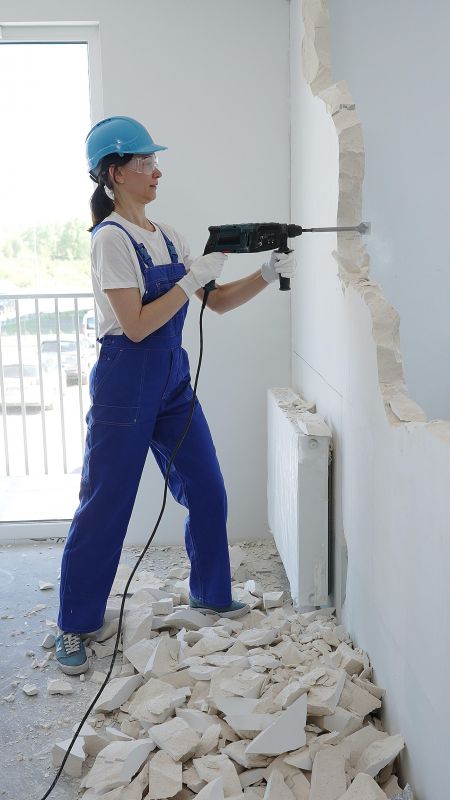
Drywall Removal in Bergen County, NJ
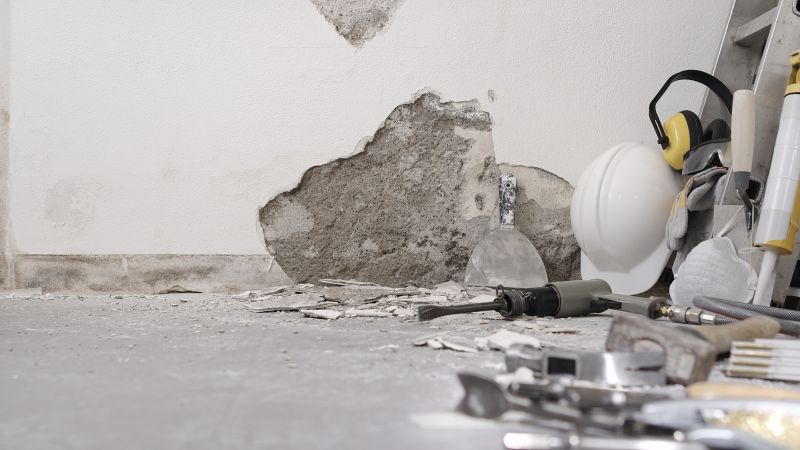
Drywall removal services involve the careful demolition and removal of existing drywall surfaces within a property. This process is commonly requested during renovations, remodels, or when upgrading interior walls and ceilings. Property owners typically seek drywall removal to prepare spaces for new installations, such as installing new drywall, insulation, or other wall finishes. It’s important for homeowners to understand the scope of the project, including whether the removal includes entire walls, specific sections, or areas affected by water damage, mold, or structural issues.
Before requesting drywall removal, property owners should consider factors such as the size of the area to be removed, the presence of electrical wiring or plumbing behind the walls, and the need for debris disposal. Clear communication about the project’s goals helps ensure proper planning and safety measures. Proper drywall removal can facilitate a smooth transition to new wall finishes and improve the overall quality and appearance of interior spaces.
Many property owners in Bergen County, NJ look into Drywall Removal for repairs, replacements, upgrades, and appearance-related improvements.
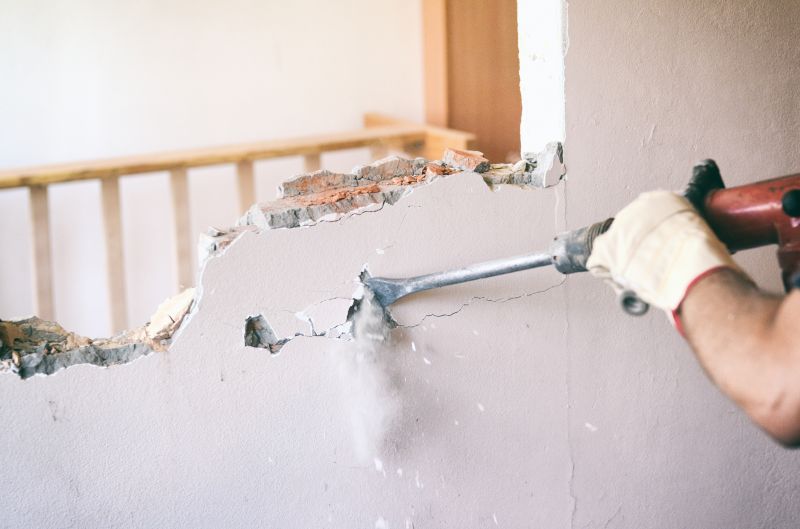
Drywall Removal For Renovations
Removing old drywall is essential for updating interior walls and preparing for new finishes.
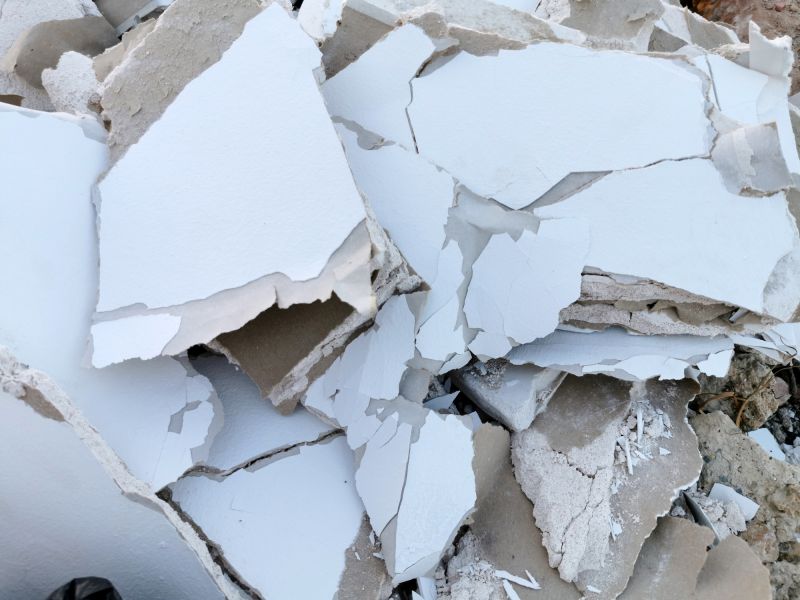
Damage Repair And Water Damage Restoration
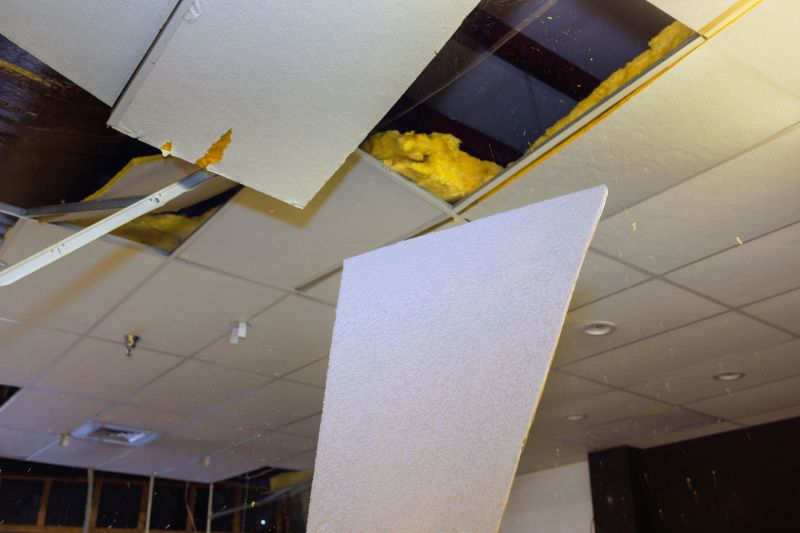
Drywall removal is often needed to address water damage, mold, or structural issues in bergen county homes.
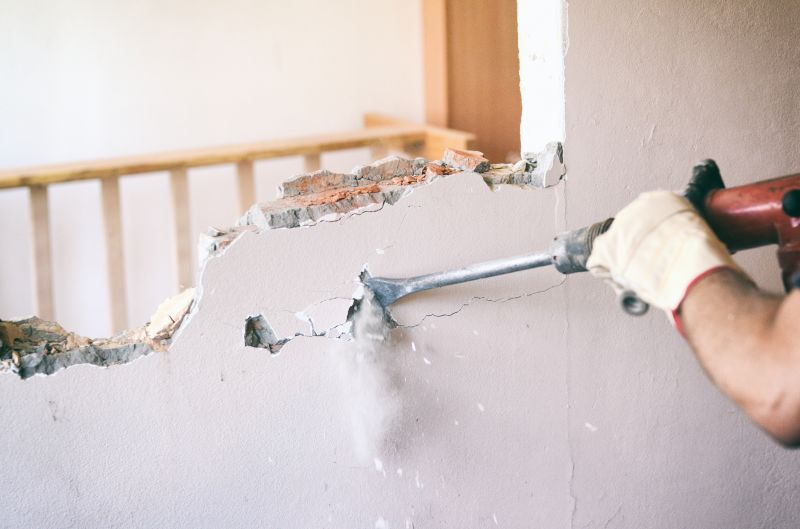
Creating Open Floor Plans
Removing existing drywall can help create open, modern layouts in residential and commercial spaces.
Drywall Removal in Bergen County, NJ
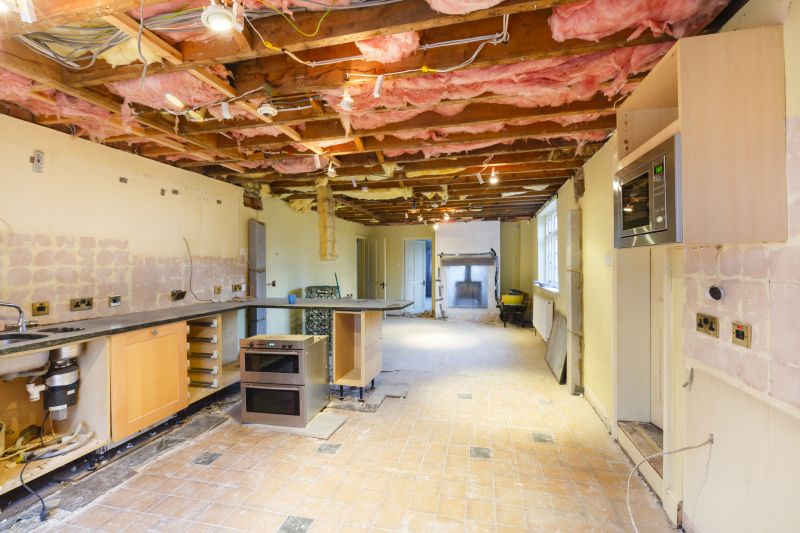
Drywall removal services involve the careful demolition and removal of existing drywall surfaces within a property. This process is commonly requested during renovations, remodels, or when upgrading interior walls and ceilings. Property owners typically seek drywall removal to prepare spaces for new installations, such as installing new drywall, insulation, or other wall finishes. It’s important for homeowners to understand the scope of the project, including whether the removal includes entire walls, specific sections, or areas affected by water damage, mold, or structural issues.
Before requesting drywall removal, property owners should consider factors such as the size of the area to be removed, the presence of electrical wiring or plumbing behind the walls, and the need for debris disposal. Clear communication about the project’s goals helps ensure proper planning and safety measures. Proper drywall removal can facilitate a smooth transition to new wall finishes and improve the overall quality and appearance of interior spaces.
Many property owners in Bergen County, NJ look into Drywall Removal for repairs, replacements, upgrades, and appearance-related improvements.
Common Drywall Removal Jobs
Drywall Removal - Safe and efficient removal of damaged or outdated drywall.
Interior Renovations - Preparing walls for new finishes during remodeling projects.
Water Damage Repair - Removing compromised drywall after leaks or flooding.
Fire Damage Restoration - Clearing burned or soot-covered drywall for repairs.
Mold Remediation - Eliminating drywall affected by mold growth.
Wall Replacements - Removing and replacing drywall for structural updates.
Drywall Removal Questions
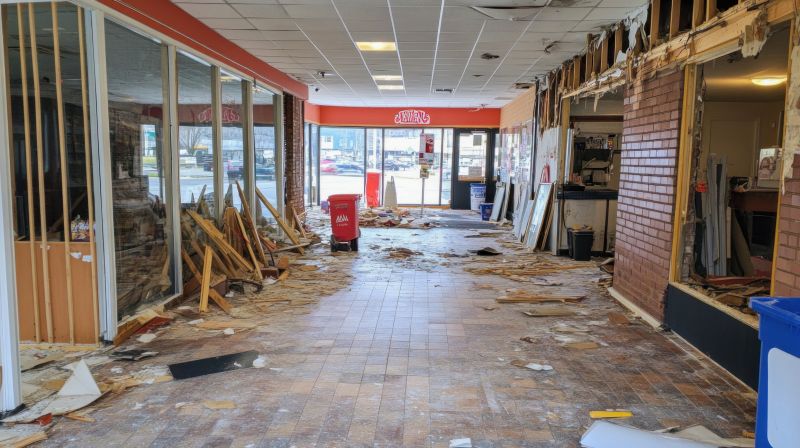
What is drywall removal used for? Drywall removal is often needed for remodeling, repairing water damage, or replacing outdated panels in a property.
Is drywall removal messy? Yes, it can create dust and debris, so proper containment and cleanup are important during the process.
What should property owners consider before drywall removal? It's important to identify any hidden wiring or plumbing behind the drywall to avoid damage during removal.
Can drywall removal be done in sections? Yes, sections of drywall can be removed to accommodate specific renovation or repair needs without affecting entire walls.
Request Drywall Removal in Bergen County, NJ
Use the quote form on this page to share the basics of your project and request more information for the type of work you need.